
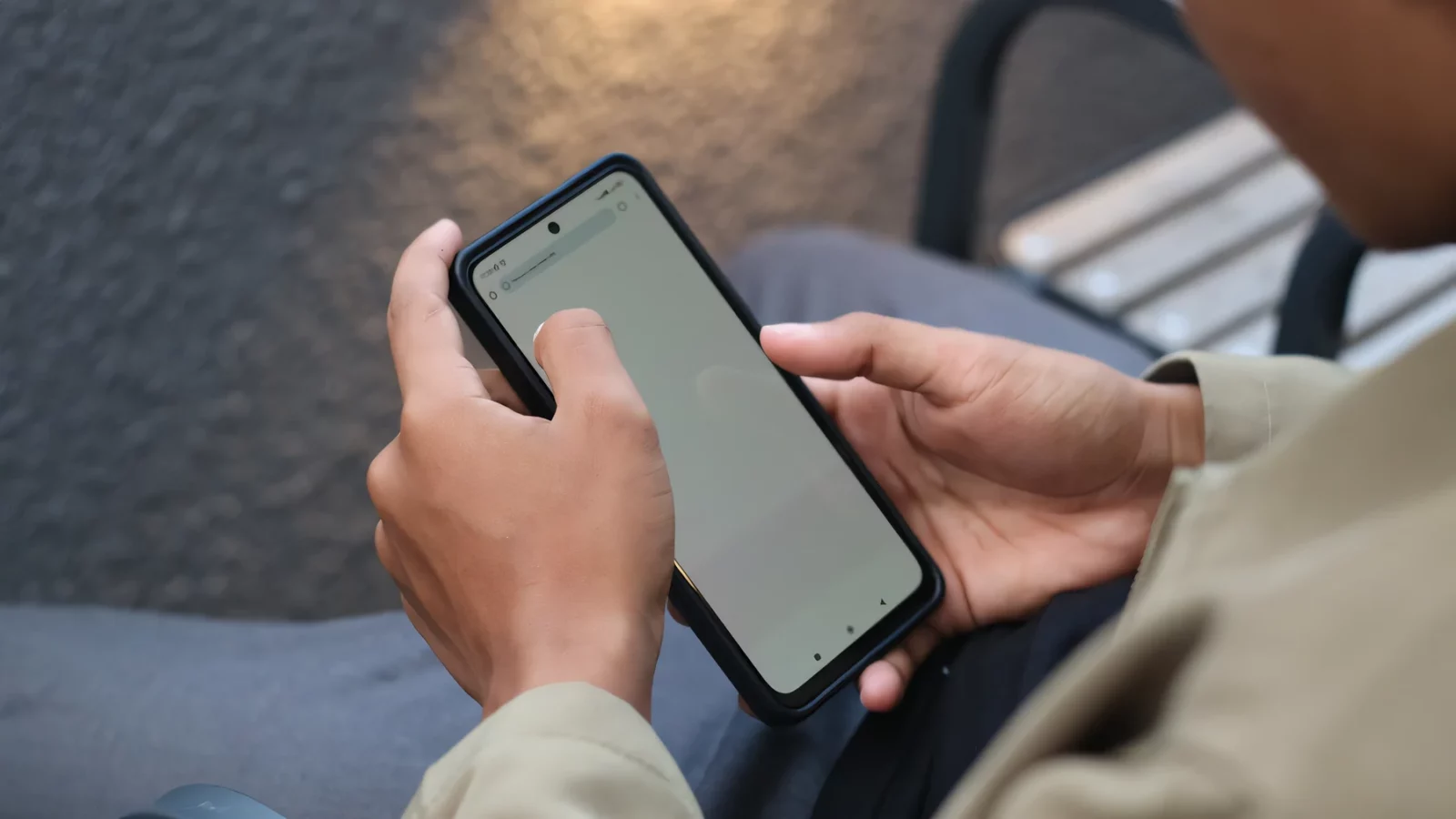
The first bad decision of the workday is usually not a big one. It is the tiny reflex of checking one alert, then another, then a group chat, then a headline. Soon, the morning belongs to everyone except you.
By the time you have read three messages you did not need, your brain has already been trained to chase interruption. A customer complaint, a breaking news alert, a software reminder, and a WhatsApp joke from a family group all arrive with the same false sense of urgency. Everything sounds immediate before you have decided what actually matters.
Keep the first half hour off the feed
A clean rule works better than a vague promise to be less distracted. For the first 30 minutes of the working day, block social feeds, news alerts, and non-urgent messages. No Facebook. No Instagram. No X. No TikTok. No News24 pop-up. No IOL breaking banner. No quick glance at Google News “just to see what happened overnight”.
That half-hour should go to a deliberate start. Review the day’s plan. Finish one small priority. Open the revenue task you set up the previous afternoon. If you sell services, that might mean sending the proposal that actually moves the pipeline. If you run a team, it might mean clearing the one decision that keeps other people waiting. If you work alone, it might mean the part of the job that brings money in before you open the inbox and let everyone else rent your attention.
The point is not monk-like silence. The point is to stop other people’s agendas from setting the tone before breakfast is finished.
Block noise, not urgency
Many people hear “turn notifications off” and picture a dramatic digital cleanse, as if the answer is to throw the phone into a drawer and go live on a mountain. This is theatrical and unnecessary. Most jobs need real availability. Sales, client service, management, logistics, family care all contain moments when a message cannot wait until tea time.
Use the settings already on the device.
On iPhone, build a Focus mode for mornings. Name it something boring and useful, like Morning Work. Schedule it for the first 30 minutes of your workday, Monday to Friday. Allow calls and messages only from the people who genuinely need to reach you, such as a manager, a spouse, or an emergency contact. Then let through only the apps that matter for work, such as Outlook, Microsoft Teams, or Slack.
On Android, use Do Not Disturb or Focus mode through Digital Wellbeing. Set the same morning window. Allow starred contacts or specific numbers to break through. Keep work tools available if they are genuinely needed, and block the rest.
If your phone supports a work profile, use it. Separate the professional from the personal instead of asking yourself to perform discipline every morning from scratch.
Treat WhatsApp like a corridor, not a casino
In South Africa, WhatsApp is where everything ends up, which is exactly why it needs rules. It is where the real work message, the family plan, the school chat, the office joke, and the chain forward all meet in one noisy pile.
Mute non-work groups indefinitely if they do not belong in your first half hour. Archive the ones that keep lighting up your screen for no good reason. Leave direct calls open from people who can actually escalate something urgent. If a colleague needs an immediate response, agree on a call or a specific keyword that means the matter is live. This is better than training your whole morning around every ping.
Personal email deserves the same treatment. If it is not essential, stop letting it push into your morning. A promotional message from a store, a reminder from an app, a shipping update, a low battery warning, all of it can wait until you have done one useful thing.
The rule works because it gives your morning a job
A blank first 30 minutes gets filled by the loudest app in the room. A structured first 30 minutes gets filled by your priorities.
That may sound plain, but plain is the point. You are not trying to optimise your relationship with every notification. You are deciding that the first useful part of the day belongs to planning or productive work, not to whatever happens to beep first. One session of focused attention before the inbox opens can change the rest of the morning. Fewer context switches. Less mental drag. More chance of finishing the thing that actually matters.
For people who work with clients, customers, suppliers, or teams, this is also a useful filter. Genuine urgency still reaches you. Everything else learns to wait.
A five-minute setup
If you want to test the rule tomorrow morning, set it up once and stop thinking about it.
1. Pick a 30-minute window at the start of your workday. 2. Turn on Focus mode or Do Not Disturb for that slot. 3. Allow calls and messages from only your essential contacts. 4. Keep work apps such as Teams, Slack, or Outlook available if they are part of your job. 5. Mute social apps, news alerts, entertainment apps, and noisy WhatsApp groups. 6. Decide what the first task will be before the day begins, preferably the revenue task or the most important planning step. 7. Ask one trusted contact to use a call if something truly urgent needs to get through.
The trick is not to be unreachable. The trick is to stop confusing interruption with importance.